
New Study: Mattresses could Be Harming Children's Brains
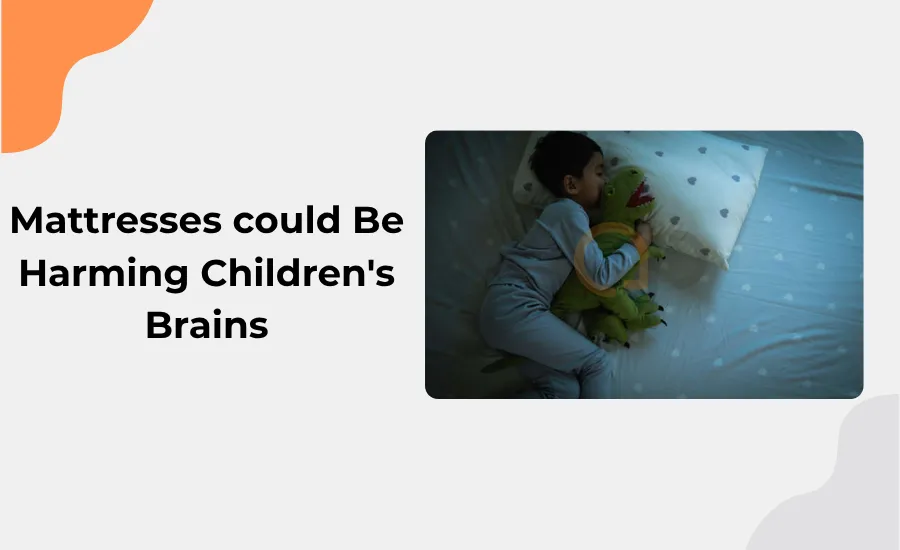
A new study has found that children's mattresses might contain harmful chemicals, and these mattresses could be harming children's brains.
Published on April 15 in the Environmental Science & Technology journal, the study examined chemicals spotted in young children's bedrooms. Researchers later discovered that new mattresses were a major source of these chemicals.
Miriam Diamond, a professor at the University of Toronto, said her team looked at the bedrooms of 25 children aged 6 months to 4 years. They discovered high levels of over 20 harmful chemicals, including phthalates, flame retardants, and UV filters, which affect brain development.
The study found the highest levels of harmful chemicals around the bed. A second study showed that new mattresses had especially high amounts of these chemicals, and the problem worsens when a child’s body heat and weight are added.
The study was done in Toronto and Ontario. Scientists explained to CNN that the mattresses they tested were low-cost, popular brands available at big box stores, but the exact brands were not specified.
To minimize contact with these chemicals, the study recommends simple measures such as frequently washing toys and bedding, which can serve as a buffer between the mattress and the child.
To reduce exposure to these chemicals, the study suggests simple steps like regularly washing bedding and toys, which can help act as a barrier between the child and the mattress.
You may also like to read: When to Step Away: 6 Signs Your Kid Should Quit a Sport
The study also recommended having fewer items on the bed since pillows and toys can absorb these chemicals.
The study concluded that the bigger solution is to push for better regulations. While parents can reduce exposure, if the laws are weak or not enforced, some exposure will still happen.