
Marathon Training Tips for Beginners
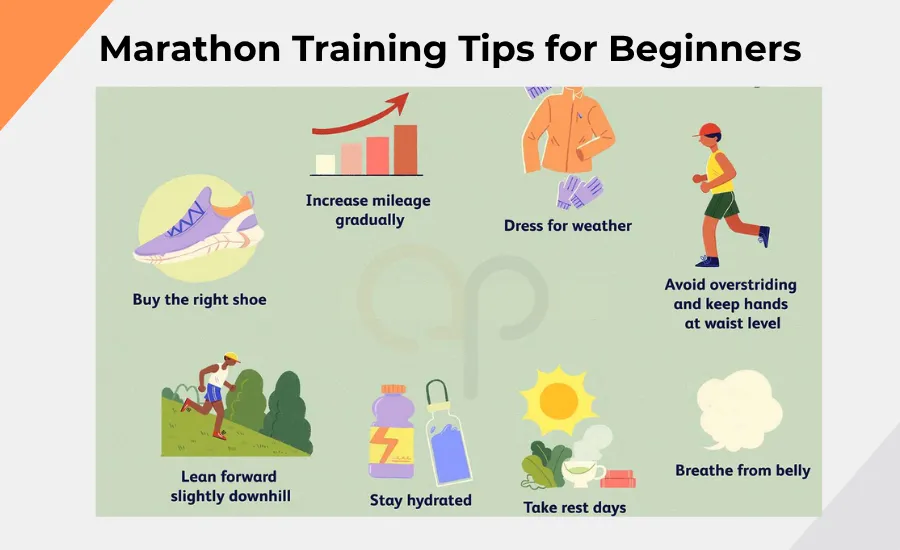
Running a marathon is an unforgettable challenge that pushes both your body and mind to their limits, and smart marathon training tips can make all the difference. This defines why only 0.01% of the world population enlists in the activity. To make sure you don’t fall short in your marathon try, you need to recognize how to train for a marathon and prevent the most common dangers runners face from several difficulties. This outline helps with marathon training techniques for both starters and skilled runners.
Key points
Starting marathon training demands technique as an important point for both new and experienced runners. Here's a smooth guide:
- Marathon strategies:
Important for success, marathon training strategies range from a starter's 6-month timetable to 16-week plans for skilled runners.
- For Beginners:
Begin with building a running base, enhancing distances slowly at a familiar speed, for the first preparation for a marathon.
- Cross-Training:
Increase patient and reduce injury danger through advantageous activities such as power training exercises and cycling.
- Pacing and Rest:
Combine your running speed and make sure the rest days are part of your training to boost performance and benefit recovery.
- Race Day Prep:
Focus on a solid nutrition plan and stay well-hydrated. Practice pacing and speed to perform well during the marathon. A balanced training routine that includes rest and varied workouts creates a strong foundation for marathon success.
How Long to Train for a Marathon?
How many weeks are necessary for training can significantly affect your success on race day. This timeline allows your body to adapt slowly to the increasing distance and capacity of your workouts, reducing the danger of injury. However, the unique duration of your training should also take into account your accurate fitness level, your aims for the race, and your running experience.
Fitting Your Marathon aims:
From Beginners to skillful Runners, actual aims and a clear outline are general factors of marathon runner training. Whether you’re a beginner runner going to perfect your first marathon or a skillful person going for a personal best, have well-explained goals, supplier direction, and inspiration throughout your journey for training. For beginners, the basic aim may be to finish the 26.2-mile race, while more experienced runners may have fundamental aims or want to conquer difficult courses.
Creating Your Marathon Training Plan
At the time of your training plan, you can establish marathon aims very strongly. So, how can you caravan for a marathon? Thus, an individual training plan and a better design plan are the backbone of the preparation for your marathon.
Most marathon training plans encompass the following:
- A balance of running
- Cross-training
- Strength training
- Rest days to develop your role and reduce the danger of injury.
When drafting your marathon runner training plan, understand aspects such as
- Your current fitness level
- Running history
- Available time for training
- Any especially weak or strong powers you may have?

As a beginner marathoner, pay attention to enhancing your speed. So before the race, in the last 4 months, I ran 50 miles weekly. Involving a style of workouts, like tempo runs, easy runs, long runs, and pause training, can guide beginners, boost their running talent, and develop the essential stamina for their first marathon race. Additionally, paying attention to nutrition, recovery strategies, and hydration is important for beginners to continue their training and progress.
Advanced Marathon Training Techniques
As you grow in your marathon runner training journey, understand the collection of advanced training strategies to increase your role and preparation for race day. These strategies can push your limits, define your physiological transformation, and fine-tune your race's unique skills, raising your capacity as a marathon runner, as is unmistakable by visiting. Two modern marathon training strategies pay attention to are altitude training.
Altitude Training
Altitude training exposes the body to low-oxygen environments to boost red blood cell production and enhance how the body uses oxygen. For those who can't access natural high-altitude locations, simulated altitude systems and altitude tents provide alternative ways to gain similar benefits. Enhancing endurance and performance.
3 Key Techniques and Tips for Marathon Race Day
Race day is the climax of months of faithful marathon runners’ training and preparation, and having a well-defined race technique is important for combining your role and achieving your marathon aims. Your race technique should encompass speed, incitement, hydration, mental circle, and emergency plans, all custom-fitted fitting your powers, conditions, and race objectives. Let’s explain each technique below:
Pacing
Beginning too rapidly or maintaining an unsuitable marathon speed can lead to incomplete recovery and delay your overall performance. Creating a speed plan that is similar to your training, fitness level, and race aims is necessary for boosting your race performance and preventing burnout.
The latter techniques of the marathon
Mental Tactics
Mental techniques, like positive discussion, imagination, and staying present at the moment, can be helpful for navigating the mental difficulties of a marathon. Helpful in preparing for capacity, harsh patches can guide you to stay strong and pay attention, ultimately increasing your skill to overcome difficulty and end strong.
Nutrition and Hydration: Fueling Your Marathon Training

Firing your body with the proper nutrition and hydration is outstanding for successful marathon training. The recommendation of long-distance running is a maintained and tailored access to fueling, ensuring that your body has the power and nutrients to develop and recover profitably. Proper nutrition helps the physical role and plays a symbolic role in injury avoidance.
Nutrition
For the complete or half marathon, training should include a healthy diet for sports. These involve
- Carbohydrates: Carbohydrates are your body’s initial power source during increasing exercise, and an intense and acceptable cost before, after, and during training runs is important for establishing capable stores.
- Protein: Protein is important for muscle growth and repair.
- Healthy Fats: Healthy fats supply constant energy and help several physiological functions.
Hydration
Hydration is equally important, especially for long races and when running on a hot day. Dehydration can destroy performance, to complex roaming, and increase the danger of heat-related illnesses. Establishing hydration techniques that involve the use of sports drinks like our isotonic hydration drink during, before, and after exercise is critical to establishing development performance. Training for a marathon over a year allows runners to access their preparation for a long time and eat a healthy diet.
How do marathons work?
Six months is a great amount of time for new and experienced runners to get ready for a marathon. This time frame allows you to slowly build up your running distance, add strength and speed workouts, and improve your overall running technique. For beginners searching for how to train for a marathon from nothing, a 6-month duration grant for a design buildup of fitness and patience while supplying mile time for recovery.
Months 1–2:
Focus on building your running foundation. Run at a comfortable pace for a longer duration to develop endurance.
Involve some short training in daily life, like swimming or biking.
Months 3–4:
Enhance your distance and begin collecting speed work into your training.
Include 3–4 speed exercises in your daily life per week, such as momentum runs, interval runs, and climb repeats. This view is known as conic and will guide your body to rest and recover before race day.
Months 4–5
Aim to run 4 to 5 times a week, each session lasting 40 to 45 minutes. Stay well-hydrated and follow a balanced diet. These habits will help your body recover and stay strong leading up to race day.
How Should I Eat Before a Marathon?
Proper fueling before a marathon is important for developing your power levels, helping muscle recovery, and nutritional patience throughout the race. A well-marathon nutrition plan should involve a combination of carbohydrates, protein, fats, vegetables, and fruits.
Frequently Asked Questions
How many hours are required for beginner runners?
Men who can not run may take up to a year to prepare for a marathon. Beginner runners with some running skills may need 5–6 months of training, while modern runners may demand 16–20 weeks.
How do I start training for a marathon?
Start your marathon training with a powerful base for the race. If you're a beginner, aim to develop your weekly distance slowly.
Can we make progress from running a 5K to completing a marathon?
Going from a 5K to a marathon requires a design training plan that slowly enhances distance. The goal is to develop your stamina by running 3 days a week, with 3 miles every day and 5 miles on Sunday, and slowly include 2 days of training once you've attained this.
Is it possible to prepare for a marathon in just two months?
Yes, it depends on your fitness capacity and running experience.
Conclusion
Recognizing how to train for a marathon is important to pulling off your marathon aims. An impactful marathon training plan that pays attention to the correct exercises and nutrition can boost your performance on race day. HIGH5 grants a range of the first formula of sport. To change your marathon training and race day nutrition, we recommend examining the HIGH5 Pack—a developed choice of hydration, energy, and recovery goods that allows the complete combo of nutrients for a marathon race.